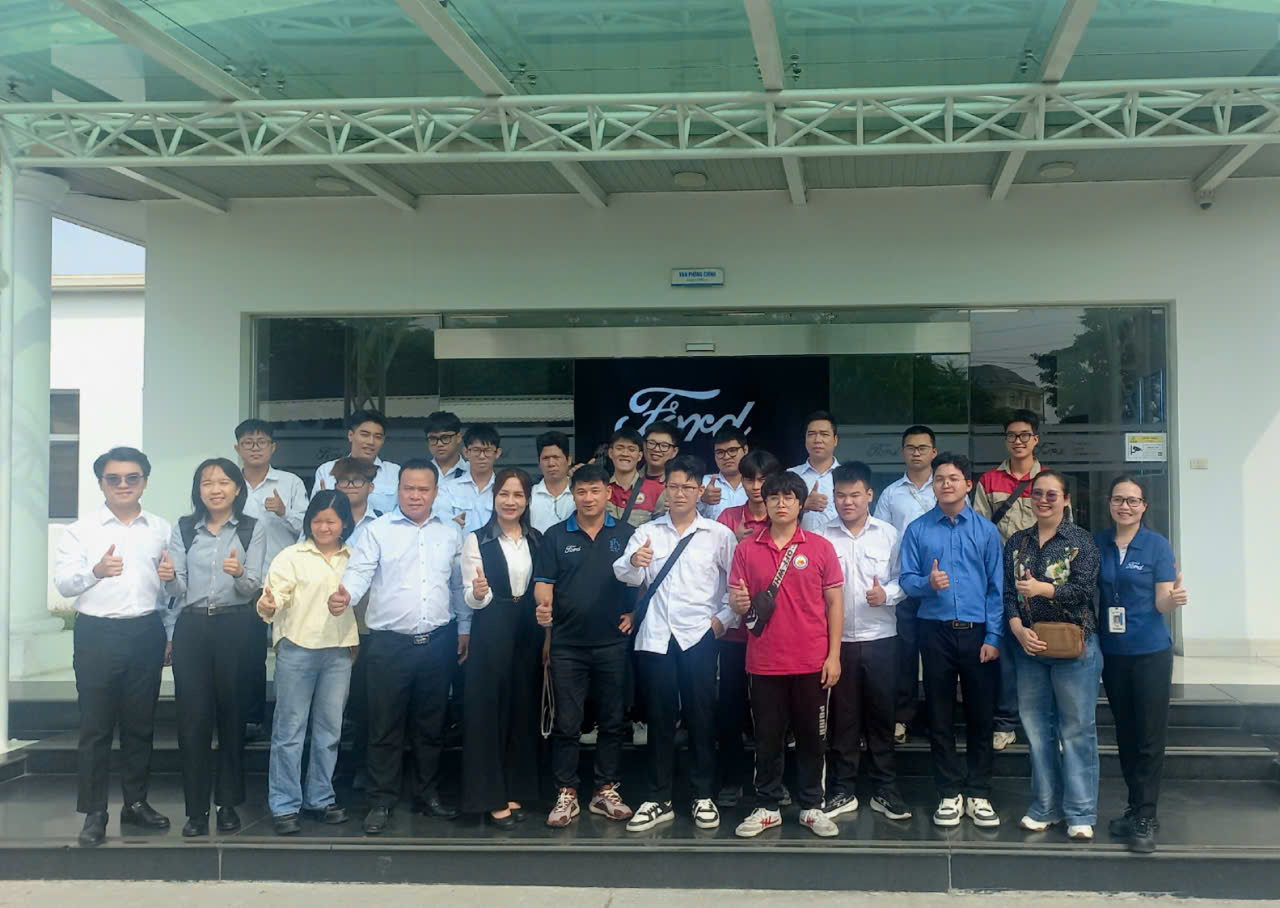

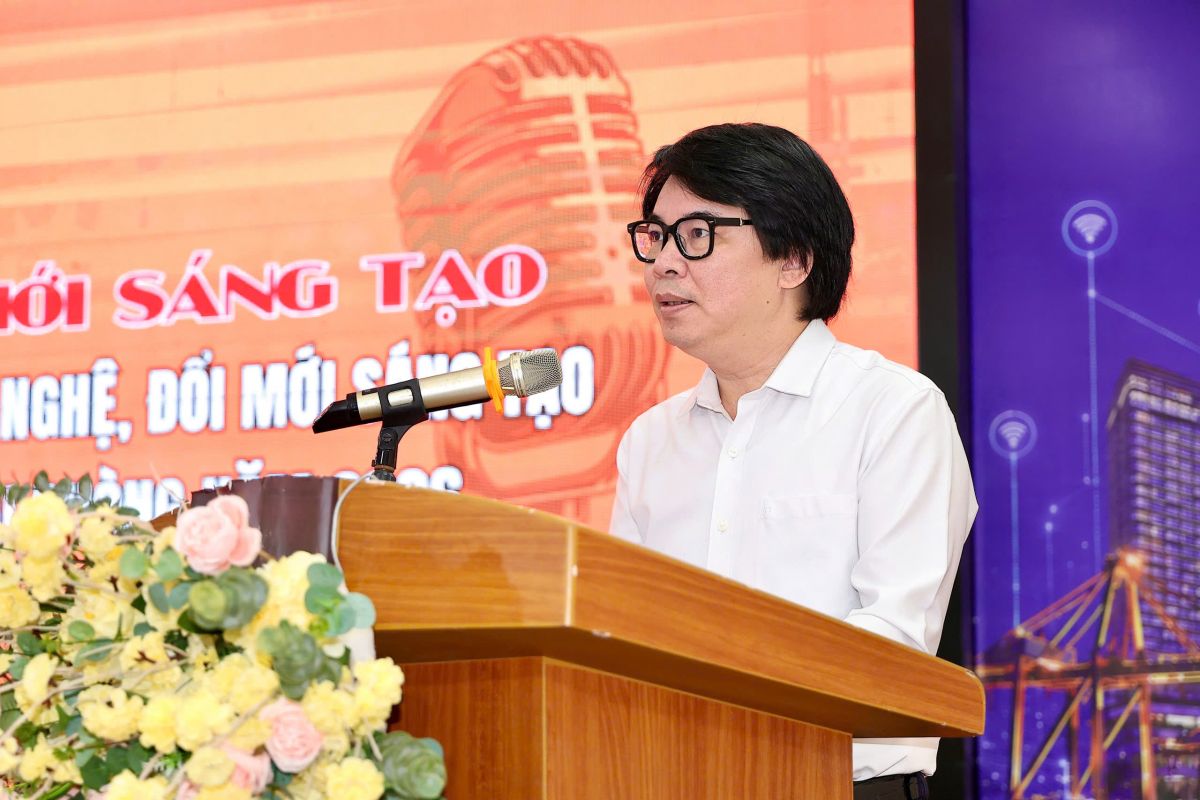
Director of the Department of Science and Technology, delivered the opening remarks.
Attending the program were Mr. Nguyen Cao Thang, Member of the Municipal Party Committee and Director of the Hai Phong Department of Science and Technology, and Mr. Nguyen Minh Kha, Deputy Director of the Department of Science and Technology. They were joined by representatives of city departments and agencies, research institutes, universities, business associations and technology enterprises, as well as experts and members of the innovative startup community.
From practical issues to the city’s development challenges
The Politburo’s Resolution No. 57-NQ/TW and the Hai Phong City People’s Committee’s Plan No. 49/KH-UBND, dated February 12, 2026, set out the task of developing a List of Major Challenges in science, technology, innovation and digital transformation. This task is identified as an important one that will help create new momentum for the city’s socio-economic development.
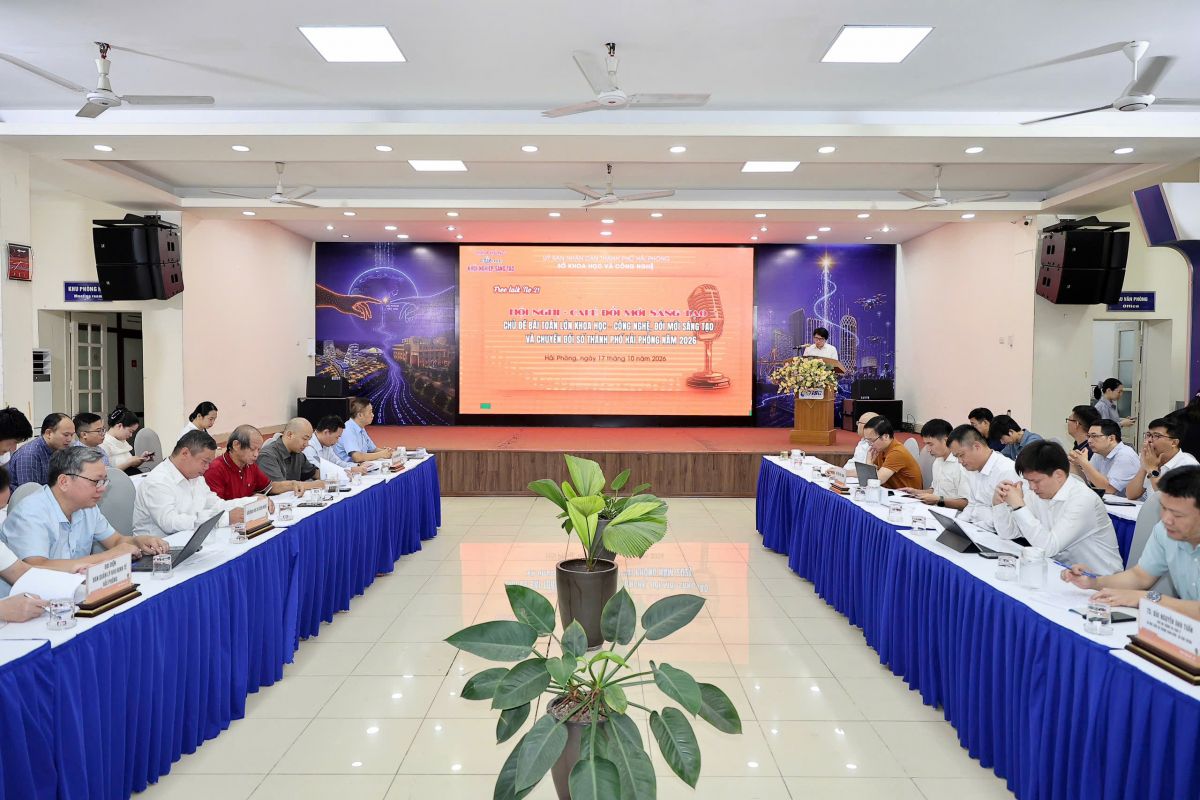
In his opening remarks, Director Nguyen Cao Thang stressed the importance of correctly identifying the major issues Hai Phong needs to address. Doing so allows the city to mobilize society’s intellectual capacity, technological capabilities and resources in search of appropriate solutions.
Hai Phong has set the goal of sustaining high economic growth, so its new drivers of development must be built on knowledge, data and technology. The city faces issues such as logistics costs, the ability of domestic enterprises to join supply chains, urban flooding, environmental pollution and demand for high-quality human resources. These issues pose challenges, but they also open opportunities to develop new technology products, business models and industries.
Accordingly, the list of major challenges goes beyond identifying the problems to be solved. It also aims to determine each challenge’s actual scale, the potential for applying science and technology to it, and the economic value that could be created once it is successfully addressed.
Candid discussion and solutions grounded in practical needs
At the program, a representative of the Department of Science and Technology presented the draft List of 10 Major Challenges for 2026. The draft spans a wide range of fields, including: Port and logistics data; Electronics supply chains; Semiconductors; Shipbuilding; The low-altitude economy and unmanned aerial vehicles; Urban flood prevention; Circular agriculture; Development of human resources for science and technology
Delegates then discussed and gave feedback on the urgency, scale and feasibility of each challenge. They also proposed new issues that warrant attention in the coming period.

The feedback was guided by three core questions: Is the challenge truly significant and urgent for Hai Phong?Through what specific methods and products can science and technology help solve it? What new industries, enterprises and economic value will solving it create?
This approach helped make the consultation substantive. It encouraged delegates not only to raise issues but also to propose solutions, quantify the scale of each challenge, and clarify how organizations, enterprises, research institutes and universities could take part.
The Department of Science and Technology gathered additional perspectives through direct discussion and feedback forms at the event. These came from the practice of state management, research, production, business and technology development. They provide an important basis for further reviewing and refining the list, so that the selected challenges stem from real needs and can attract resources for implementation.
Connecting resources and engaging the innovation ecosystem in solving the challenges
A consistent theme of the program was greater participation by the business community, scientists and research organizations from the very first stage of identifying problems. Once the city’s major needs are translated into clearly defined challenges, technology enterprises and startups will have a firmer basis to: conduct research, develop products, pilot solutions, and purse commercialization opportunities.
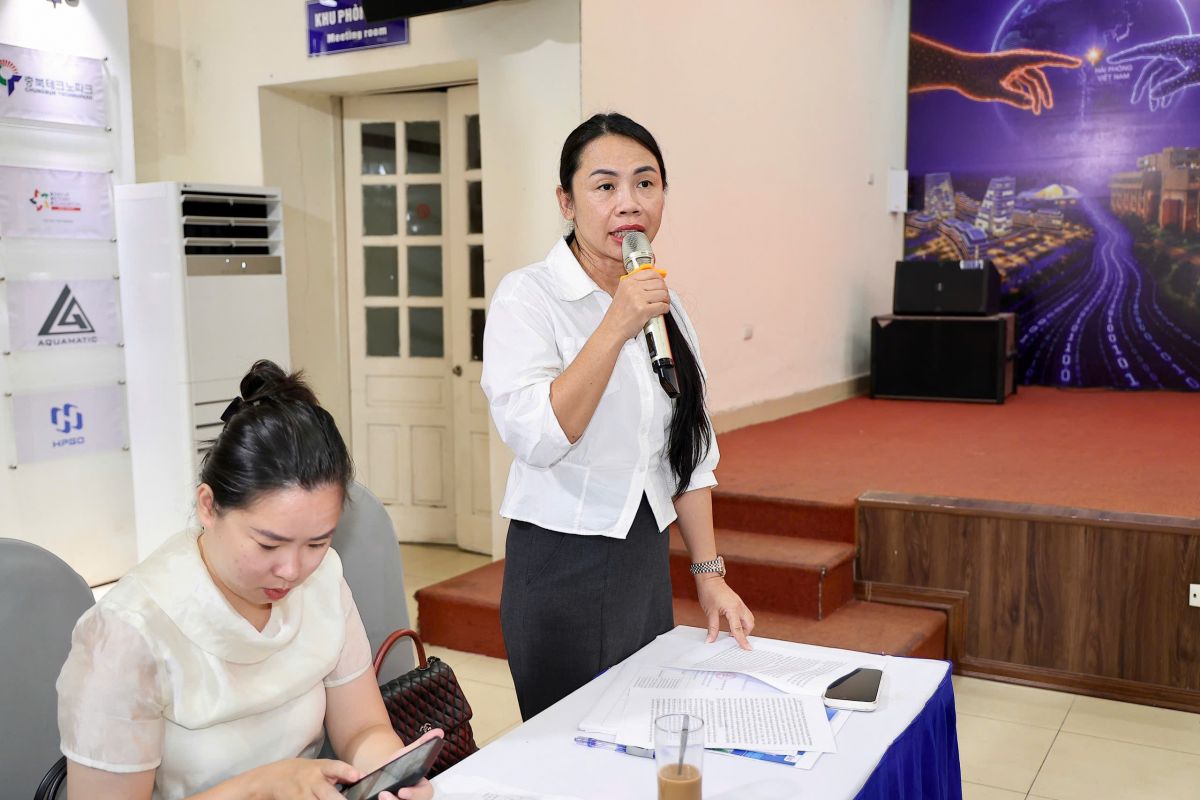
For the innovative startup ecosystem, this is also an opportunity to engage with the city’s practical issues. Startup teams can shape their products around market demand and explore cooperation with state management agencies, enterprises, research institutes and universities.
The program emphasized a clear division of roles. The city defines the problems and the goals to be achieved, while the science and technology community, enterprises and startups work together to find solutions. This approach strengthens the links between state management agencies, scientists and the market. Step by step, it turns development requirements into opportunities for innovation and economic value creation.
The Department of Science and Technology is also continuing to receive feedback from businesses and citizens through several channels: the Hai Phong City Information Portal; the Department's information channels; the Hai Phong Smart application; and other online platforms. All feedback will be compiled and studied to finalize the List of Major Challenges for 2026, which will then be submitted to the competent authorities for consideration.
The Hai Phong Innovative Startup Café No. 21 was held in an open and candid spirit, with practical realities as its foundation. It reaffirmed the program’s role as a forum for connection, knowledge sharing and policy consultation among state management agencies, experts, enterprises and the startup community.
From correctly identifying the challenges to finding feasible solutions, Hai Phong is steadily bringing science, technology, innovation and digital transformation into closer alignment with the city’s development needs. This lays the foundation for new products, enterprises and economic value in the 2026–2027 period and the years ahead.
Startup HaiPhong