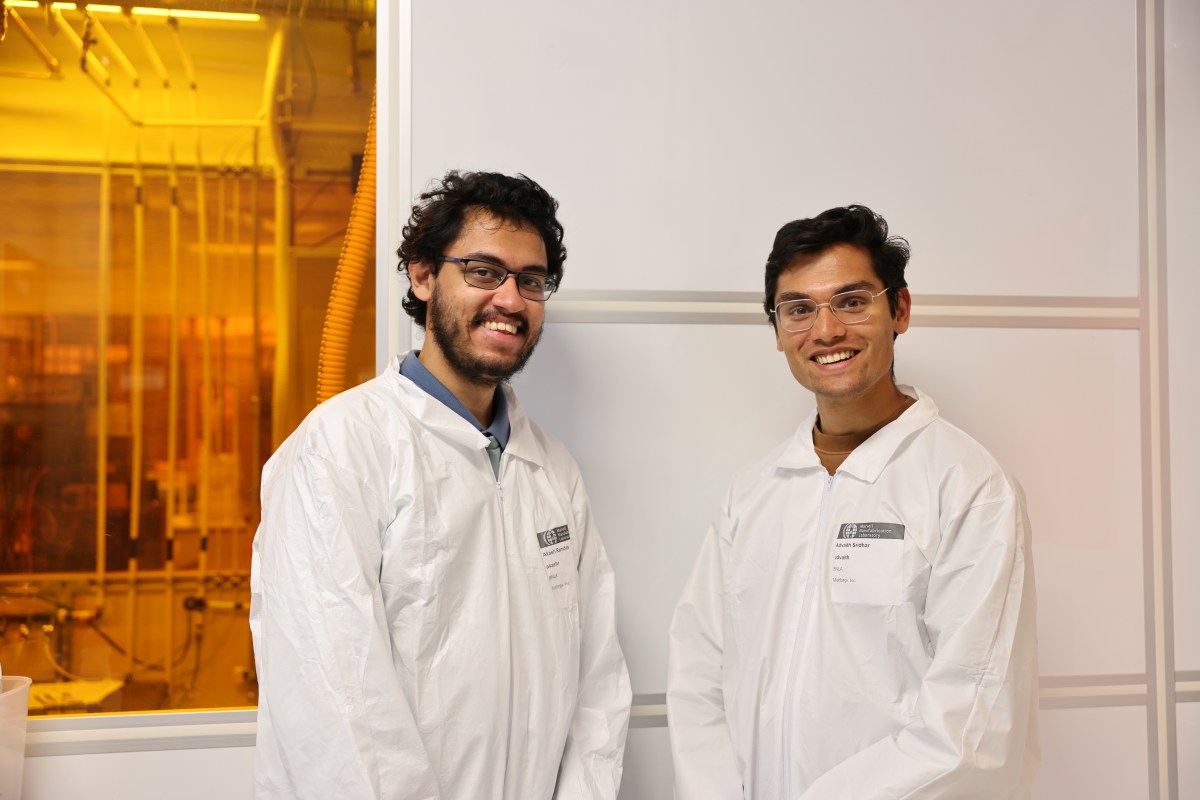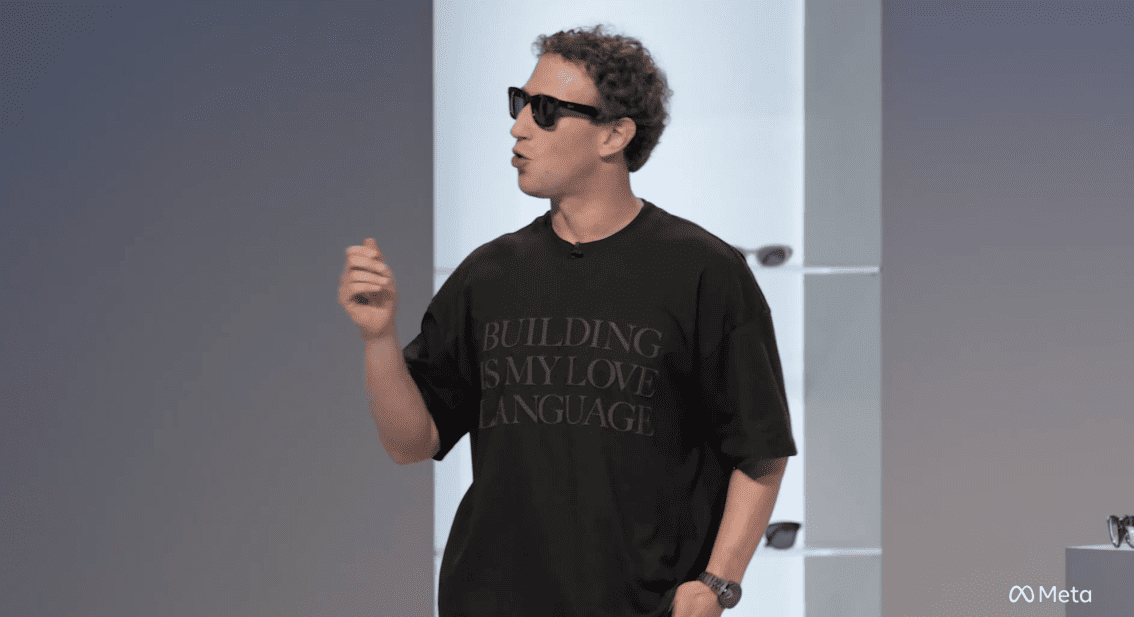


Cathedral, a startup founded in mid-2026 by former employees of the U.S. Department of Government Efficiency (DOGE), said earlier this week that it had breached Anthropic’s internal network as part of a bug bounty program.
According to Cathedral, after running AI agents for less than 12 hours, its team of researchers discovered a way to access Anthropic’s internal data, including meeting transcripts, salary information, job offers, and Slack messages discussing advanced AI models.
Anthropic later confirmed that Cathedral had gained access to a “limited number” of its sales, human resources, and information technology systems, but had not accessed user conversations with its Claude model. The model’s source code was also not compromised.
The company has since closed the access points identified by the researchers and notified federal officials about the incident. An Anthropic spokesperson said Cathedral had spent several days attempting to breach its software directly before switching to third-party tools. The spokesperson added that Cathedral’s actions “went significantly beyond” the scope of the bug bounty program.
The Washington Post quoted a senior official in U.S. President Donald Trump’s administration as saying that news of Cathedral’s successful intrusion into Anthropic’s systems had circulated within the government, raising national security concerns.
The official said he was deeply surprised that a newly established startup had taken so little time to gain access to the sensitive systems of a company controlling critical technology that was “approaching nuclear-weapons-level capabilities.” He expressed concern that if a young startup could achieve this, elite teams from other countries might soon be able to do the same.
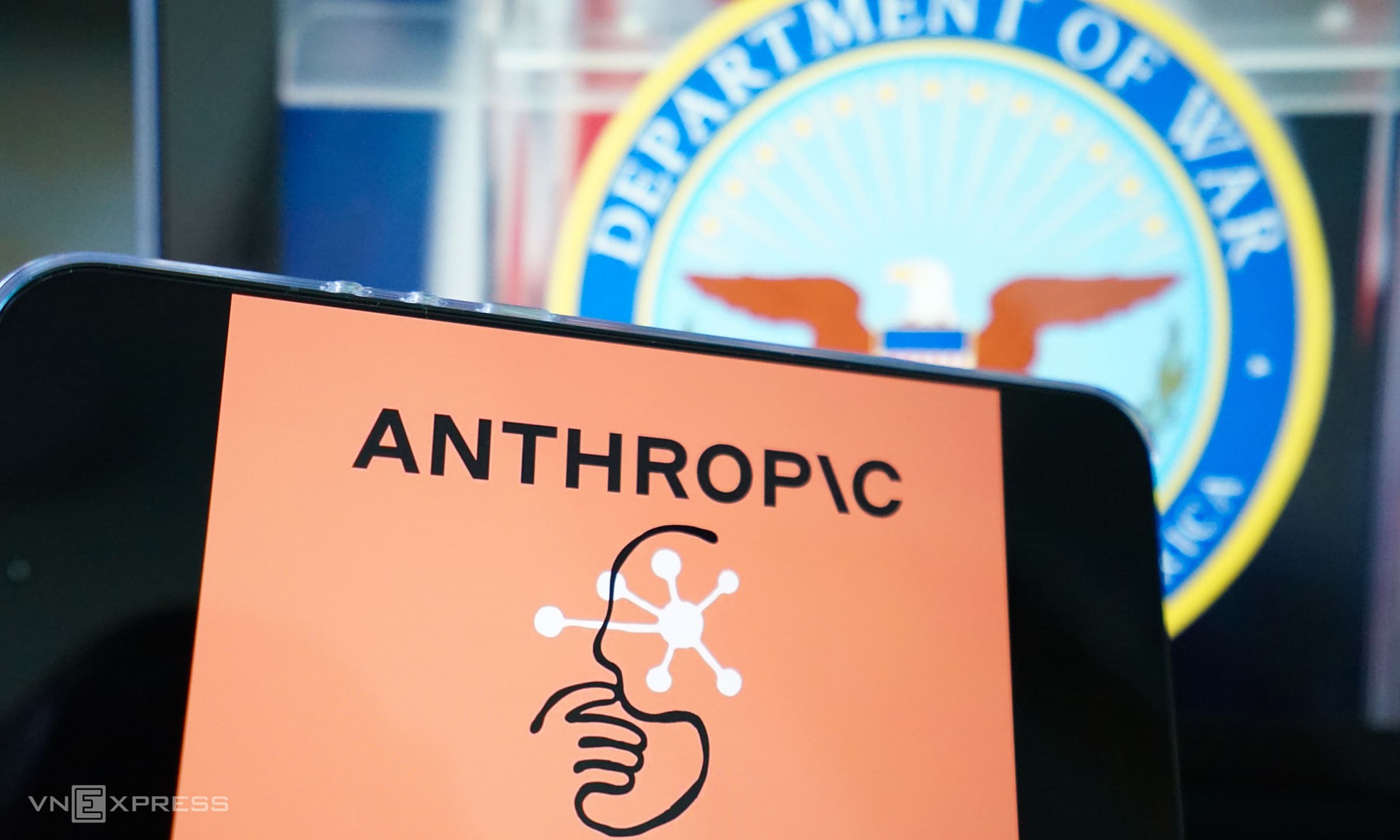
Anthropic’s systems were breached amid a series of security incidents in the United States. Earlier this month, the FBI arrested an OpenAI employee, a rival of Anthropic in the artificial intelligence race, on allegations of placing a recording device in an executive meeting room. Last month, hackers attacked OpenAI with assistance from the Claude chatbot, highlighting how the AI industry is not yet prepared to deal with the security risks created by the very power of its own technology.
Heath Mullins, director of technology evangelism at cybersecurity company ExtraHop, said Cathedral’s intrusion showed that even one of the leading AI companies could be attacked.
“AI providers are becoming major targets because so many organizations are now building workflows on top of their platforms. When a small number of platforms become central to the operations of many businesses, a single breach can become a supply chain issue for everyone involved,” he told The Independent.
(Source: VnExpress)