

The overseas expansion of Indian space technology companies is raising questions about how to balance commercial ambitions with strategic interests. While experts consider international expansion necessary for the industry's development, some are concerned that cross-border operations could affect the country's ability to maintain control over sensitive technologies.
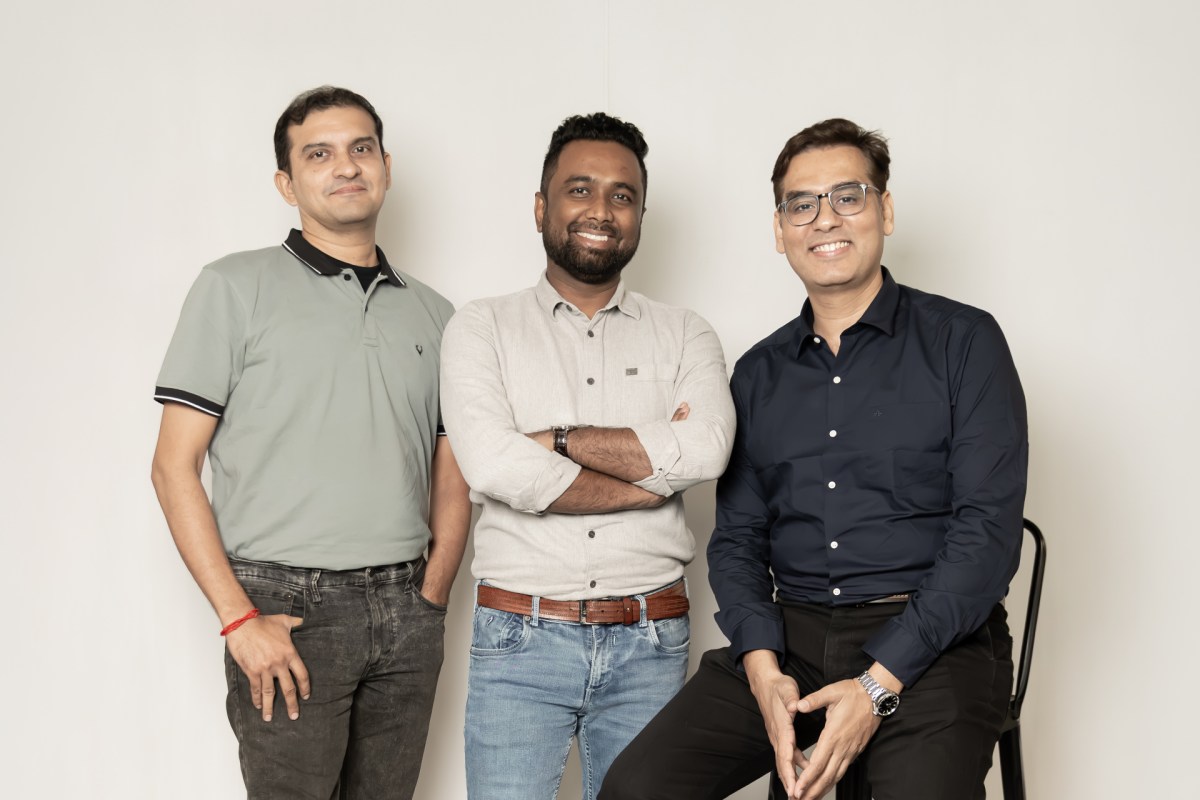
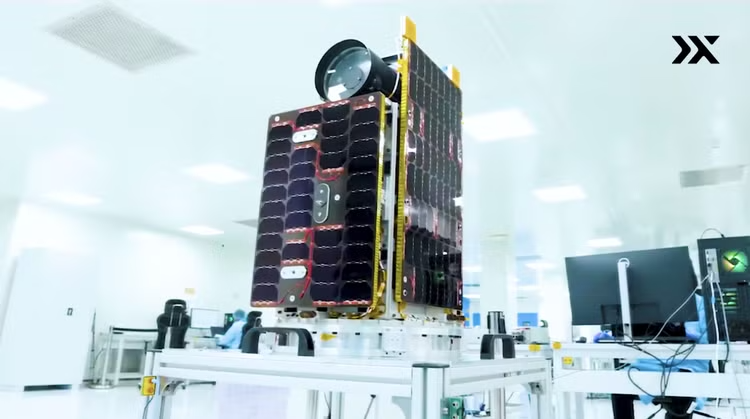
According to CNA, the focus of the debate is Pixxel, a satellite startup headquartered in Bengaluru, following its announcement on October 29 that it had established a subsidiary, Pixxel Federal, in the United States to tap into the country's defence and intelligence markets.
Concerns have emerged on social media platform X, particularly over the possibility of foreign investors gaining access to technology and data from the company's projects in India. Pixxel currently leads a consortium selected by the government in August 2025 to develop a network of 12 Earth-observation satellites.
In early September, the company raised $100 million in a funding round co-led by Singapore's Temasek fund and UK-based investment firm Seraphim. Google is also among its notable international investors.
In response to questions about control, founder Awais Ahmed stated that Pixxel is a company fully based, owned, managed and controlled in India.
Expanding internationally to secure revenue
According to experts, expanding into overseas markets has become a business necessity for many Indian space startups. International markets not only provide access to major customers but also create opportunities to scale operations, reduce costs and diversify revenue streams.
For Agnikul Cosmos, a satellite launch vehicle manufacturer, global customers are an important factor in sustaining its operations. In June, the company signed a memorandum of understanding with Finnish radar satellite company ICEYE to explore the possibility of manufacturing satellites in India and placing them into orbit using Agnikul's launch vehicles.
In addition to market opportunities, startups also face financial pressure from domestic contracts. Abhishek Raju, former co-founder of satellite data analytics company SatSure, said that businesses often have to invest in infrastructure themselves, provide bank guarantees and maintain operations before receiving payments in line with project milestones.
Payment delays mean that many companies continue to face cash-flow difficulties even after securing contracts. Raju said that having orders does not necessarily mean a business has a stable source of cash, and financial pressure can even increase during project implementation.
As a result, international customers are seen as an additional source of revenue, helping companies reduce their dependence on government contracts. Red Balloon Aerospace, which develops high-altitude platforms for telecommunications and surveillance, is also working with partners in South Africa, Sweden, Spain and the UK.
According to the company's co-founder, Sireesh Pallikonda, domestic demand has long-term potential, but it will take time to translate into actual commercial orders.
National security and control over technology
The involvement of foreign investors has made technology control a major concern. However, experts argue that each company should be assessed based on its ownership structure, funding sources and the types of technology it holds.
India currently regulates private space activities through the Indian National Space Promotion and Authorisation Centre (IN-SPACe). Under the regulations, foreign investors can own up to 74% of satellite companies and 49% of rocket manufacturers without prior government approval. Exports of sensitive technologies are subject to separate controls.
Anil Prakash, Director General of the SatCom Industry Association of India (SIA-India), said that clearer regulations are needed regarding overseas subsidiaries, foreign equity ownership and cross-border technology transfers.
He emphasised that: "National security and the expansion of international commercial operations are not conflicting objectives."
In fact, the United States and Israel also have oversight mechanisms for companies involved in defence-related technologies, particularly with regard to foreign ownership and influence.
Lack of long-term capital remains a major barrier
Beyond regulatory issues, access to funding remains a challenge for Indian space startups. Venture capital can support technology research and development but is not sufficient to meet the needs of large-scale manufacturing or the execution of complex contracts.
According to data released by market research firm Tracxn in July, Indian space technology startups raised approximately $200 million in 2025, nearly five times the $43 million raised in 2021.
Nevertheless, the amount of capital remains limited compared with major markets. According to the Organisation for Economic Co-operation and Development (OECD), 67% of companies receiving private investment in the space sector in 2025 were headquartered in the United States.
Experts believe that companies need additional sources of financing, including bank loans, project financing and insurance, to expand their operations without having to repeatedly sell equity stakes. In addition, paid pilot contracts, faster procurement processes and stable payment mechanisms would help startups build credibility with international customers.
As India's private space industry becomes increasingly integrated into global markets, the challenge lies not only in finding new markets but also in maintaining control over strategic technologies. Regulations need to protect national interests without creating additional barriers to innovation, investment and legitimate international business activities.
(Source: Vietnam News Agency)
Translated by StartupHaiPhong